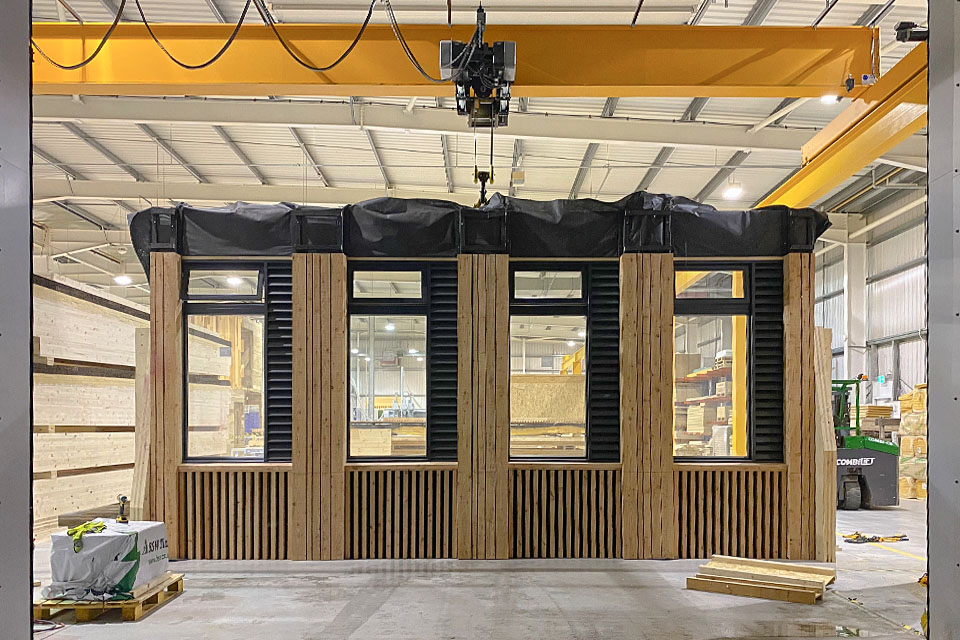
Kit-of-parts System
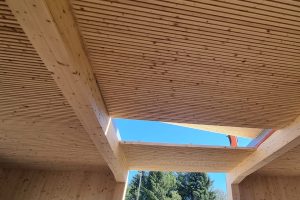
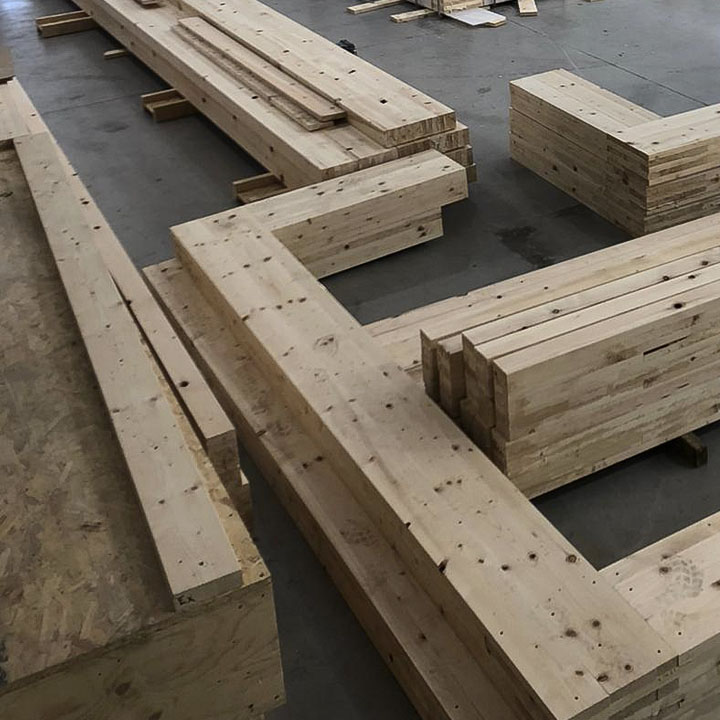
Glulam & Panelised build-up

NearHome was funded by Transport Scotland under the Work Local Challenge Programme established to tackle issues that have arisen as a result of the COVID-19 pandemic. Specifically the project was established to support the creation of local work hubs to respond to changes in work and travel patterns.
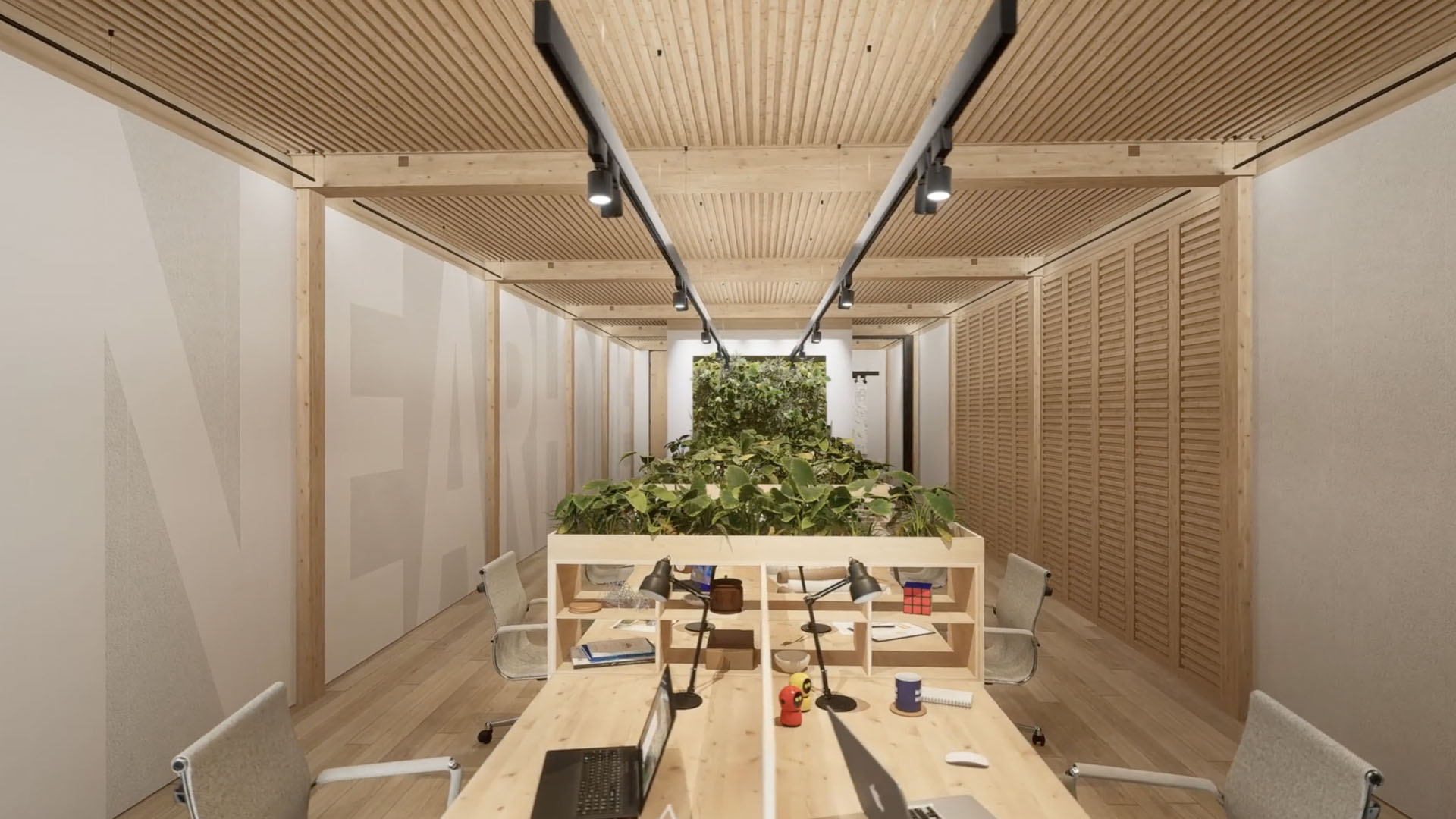
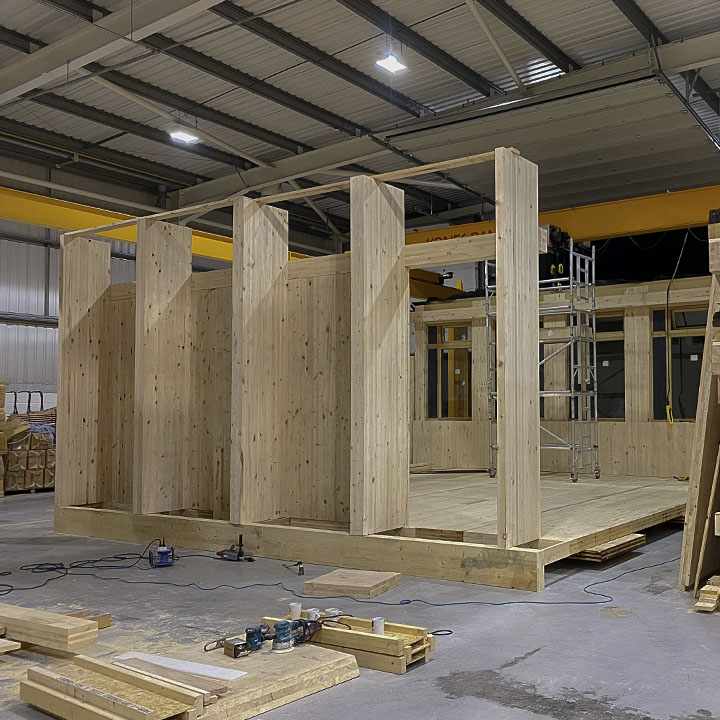
NearHome is a product designed as a kit-of-parts. Its core application is withing existing environments, however the product can also be developed as an external stand-alone new-build solution.
The aims of the project were as follows:
- Demonstrate the potential for local work hubs to enhance local workplace choices by providing safe, hygienic and connected work environments
- Drive the adoption of digital design and offsite manufacturing in Scotland
- Support investment in Scotland’s construction and manufacturing base
- Create new markets for Scottish materials and products, creating new employment opportunities.
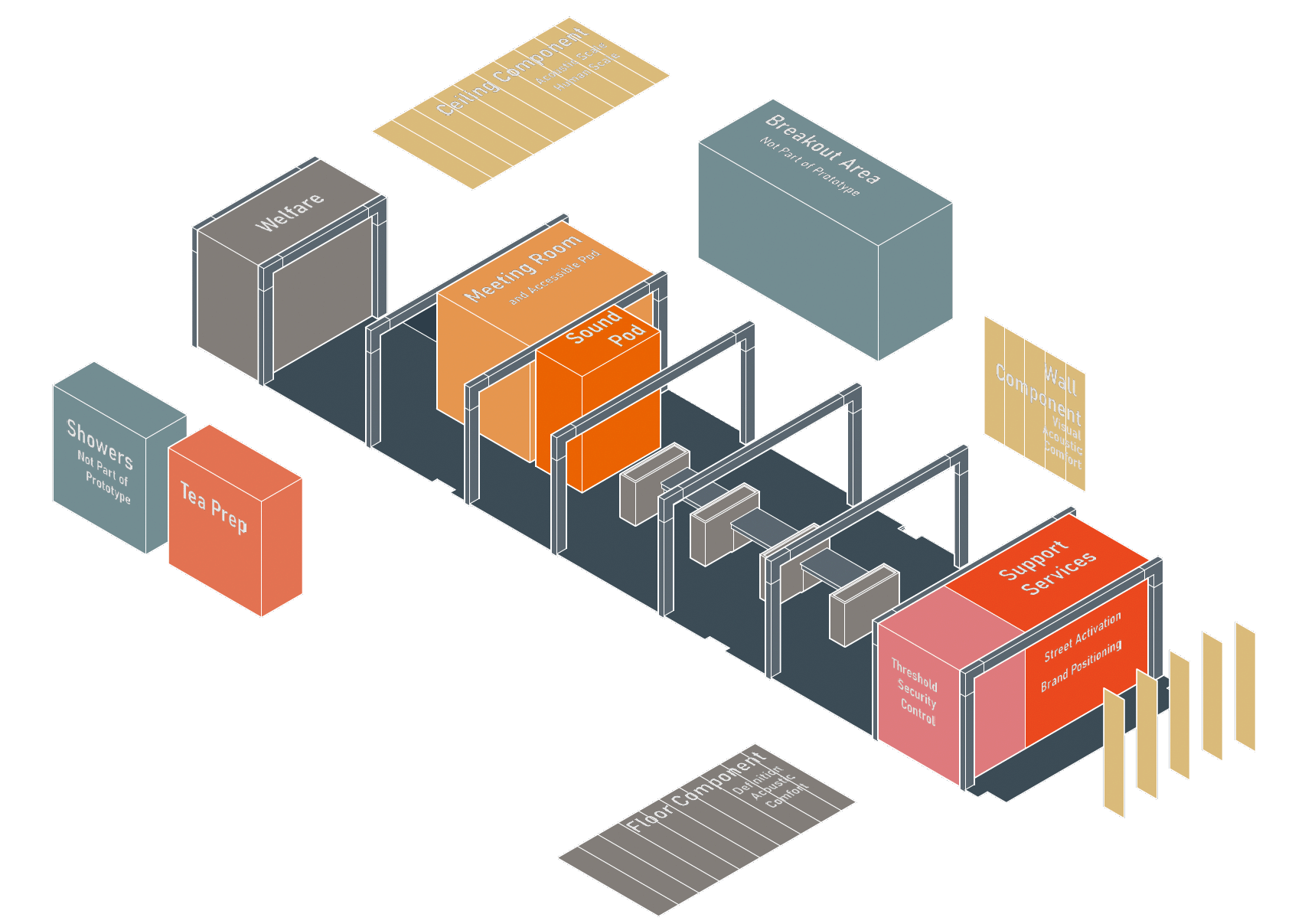
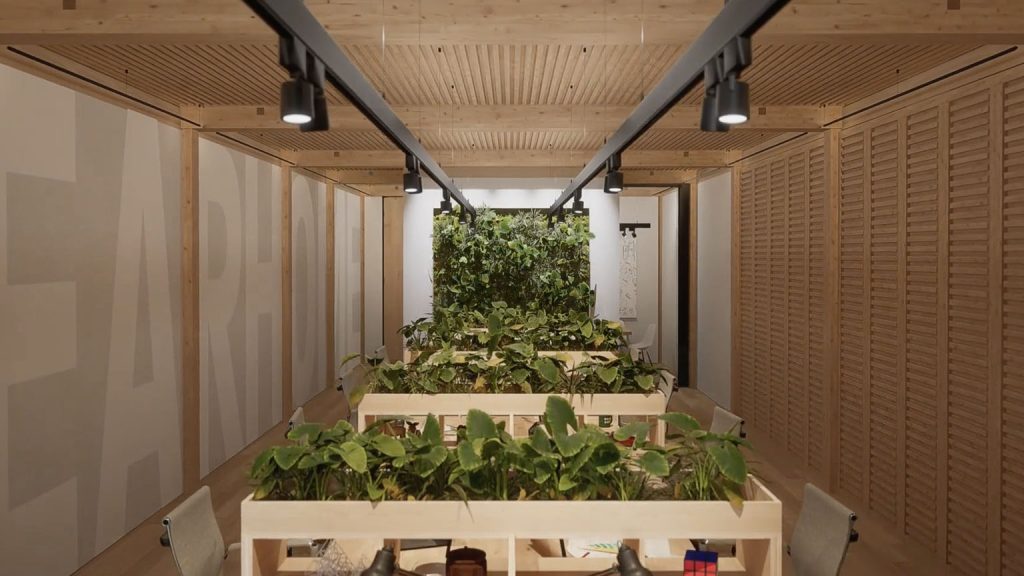
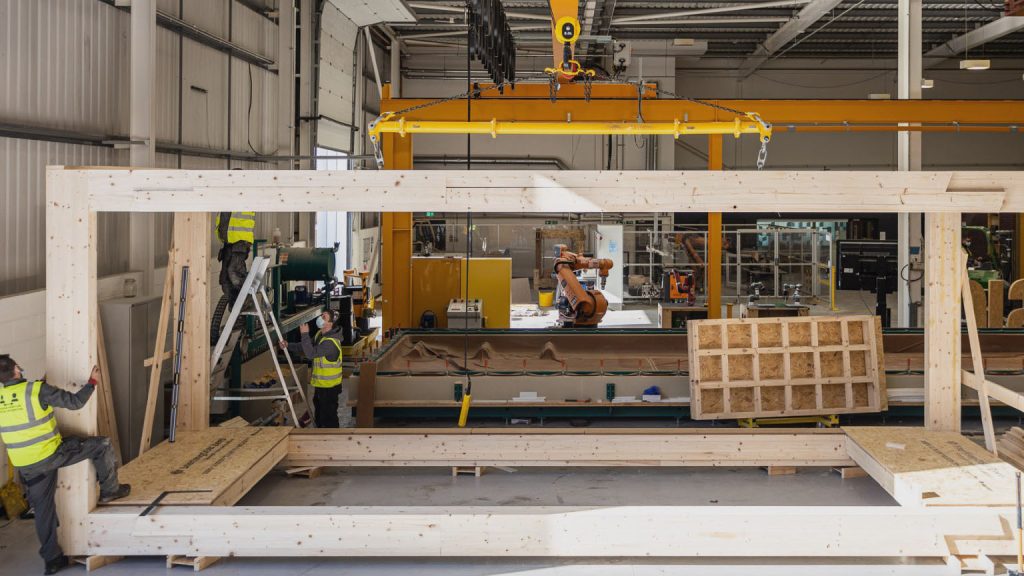
NearHome presents the opportunity to create high quality spaces closer to home, offering greater flexibility and work-life balance, whilst reducing transport emissions and creating local economic opportunities – All of which is part of the Scottish Government’s ambition for 20-minute neighbourhoods.
NearHome can also be a positive contributor to re-energising our communities. It presents an opportunity to repurpose vacant space in our High Streets and town centres. Although NearHome has been largely conceived to be applied within for a retro-fit and refurbishment context, it can equally be delivered as a new build solution.
Who is NearHome For?
NearHome is relevant to a wide variety of key actors within the commercial and workplace sector. The range of hub solutions that can be delivered with the product can bring different benefits to these parties.
Local Authority Landlords: as custodians of our urban centres, Local Authorities are faced with a complex challenge of depopulated high-streets and the management of a multitude of vacant and/or substandard properties. Re-purposing assets with NearHome can help re-purpose vacant units, diversify towncentre and drive footfall.
Private Landlords: The Covid-19 pandemic has accelerated a re-think of the traditional landlord / tenant relationship around rent models and legal agreements. This has compounded the Landlords’ challenges in the market around the growing demand for more socially and environmentally sustainable workplaces.


Nearhome offers an agile platform that can support both short-term / meanwhile approaches for space that allow new or vulnerable businesses to incubate and strengthen to become valued partners.
Employers: NearHome will offer a ‘decentralised premises approach’ for employers that will offer opportunities to create a better work-life balance to existing employees as well introducing a solution that may allow them to access new skills and resources. The approach will also help integrate more remote communities when they might have previously been financially unsustainable.
Third Sector: Communities and community groups are becoming more empowered by central government policy. However, they often lack experience and knowledge tonavigate through the development process and achieve funding. NearHome has been deliberately designed to be simple to replicate, adapt and use – breaking down the barriers of adoption.